Introduction
Pre-eclampsia is a serious pregnancy complication. It can affect both the mother and the baby. Because it often develops after 20 weeks of pregnancy, it is important to know how pre-eclampsia and baby health are linked. Early detection and care can help protect both mother and child. In this blog, we will explain what pre-eclampsia is, how it affects the baby, and ways to prevent problems.
What is Pre-eclampsia?
Pre-eclampsia is a condition that causes high blood pressure during pregnancy. It can also lead to problems with the kidneys and other organs. Although the exact cause is not fully known, experts believe it starts in the placenta. The placenta is the organ that feeds the baby during pregnancy. When blood flow to the placenta is reduced, it can cause health issues for both mother and baby.
Some risk factors for pre-eclampsia include:
Because pre-eclampsia can develop quickly, regular check-ups are important.
How Pre-eclampsia Affects the Baby
Pre-eclampsia can have several effects on the baby. Since it reduces blood flow to the placenta, the baby may not get enough oxygen or nutrients. As a result, the baby’s growth can slow down. This is called low birth weight. In some cases, pre-eclampsia can cause the baby to be born early. This is known as premature birth. Premature babies may face more health problems after birth.
Some risks and complications for the baby include:
According to the World Health Organization (WHO), pre-eclampsia is a leading cause of pregnancy complications. Therefore, early treatment can help lower these risks.
Symptoms to Watch For
It is important to know the symptoms of pre-eclampsia. While some women may not feel sick, others may notice changes. If you notice any of these signs, contact your doctor right away:
Because these symptoms can signal risk to the baby, quick action is important.
Diagnosis and Monitoring
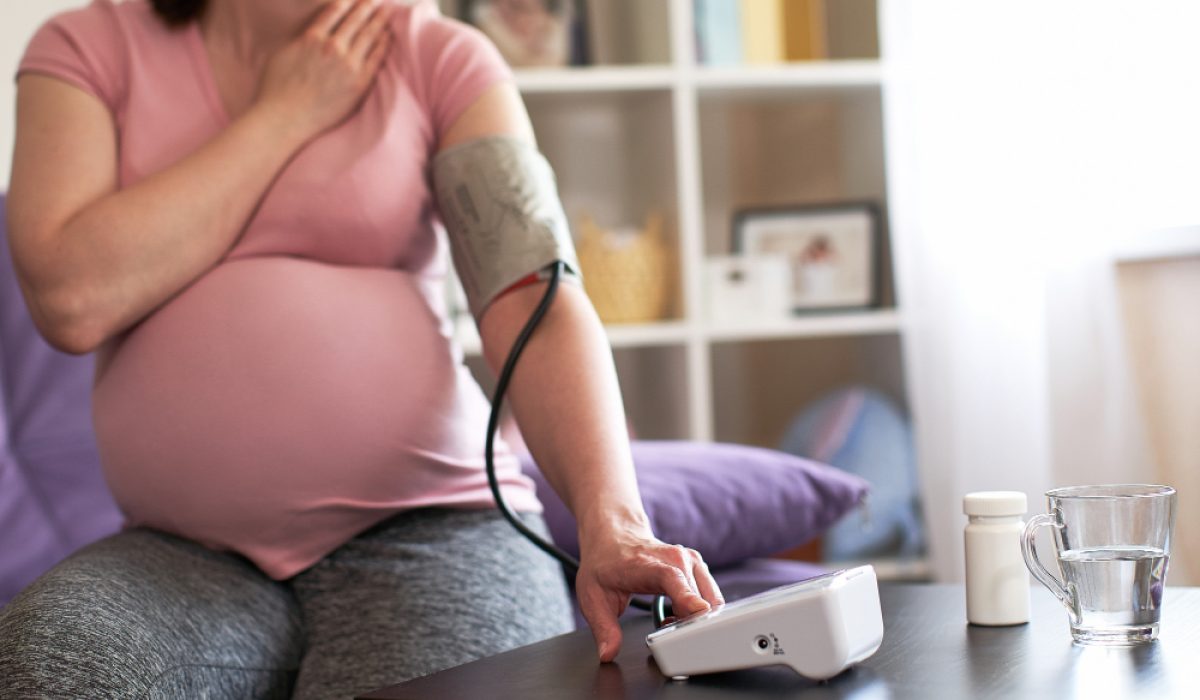
Doctors diagnose pre-eclampsia by checking blood pressure and testing urine for protein. They may also order blood tests to check kidney and liver function. In addition, doctors use ultrasounds to monitor the baby’s growth. Sometimes, they check the baby’s heart rate to make sure the baby is healthy.
Regular prenatal visits help doctors spot problems early. If pre-eclampsia is found, doctors may suggest more frequent check-ups. This helps keep both mother and baby safe.
Prevention and Management
While pre-eclampsia cannot always be prevented, there are steps you can take to lower your risk. For example, regular prenatal care is key. Eating a healthy diet and staying active can also help. If you have risk factors, your doctor may suggest extra monitoring.
Here are some tips to help manage pre-eclampsia:
Because early treatment can prevent serious problems, always follow your care plan.
When to Seek Medical Help
If you notice any warning signs, seek medical help right away. These include severe headaches, vision changes, or swelling in your face and hands. Also, if you feel less movement from your baby, call your doctor. Quick action can protect both you and your baby from harm.
Conclusion
Pre-eclampsia is a serious condition that can affect both mother and baby. However, with early care and regular check-ups, many risks can be managed. If you have concerns about pre-eclampsia and your baby’s health, consult your healthcare provider for personalized advice.